Better Sleep Part 4: Preparing for Sleep
This section looks at the three pillars of Health & Wellbeing: Sleep, Physical Activity and Nutrition.
From 'Your Defence System' a resource for Tasmania Emergency Services workers
In this article we are focusing on sleep primarily, however all three pillars are strongly linked and influence each other:
If your physical activity increases, your ability to get to sleep and the actual quality of sleep improves.
If your nutrition is good through the day you see less flat periods of tiredness during the day and your digestion will not impact the quality of your sleep.
If your sleep quality improves, you’ll feel more willing to do physical activity.
When you have fitness gains, are achieving your goals and are feeling good, you’re more likely to avoid poor foods and alcohol.
If you’re drinking less alcohol and eating better, you’ll find physical activity so much easier
If you’re sleeping and recovering well, your cortisol levels will be lower — reducing cravings for junk food.
Sleep as an emergency services worker
Reduced quality and duration of sleep can be significant problems when working night shift. This is largely due to our body’s natural circadian rhythm. Our wake-up time conflicts with powerful sleep regulating cues like sunlight. Plus, it can be hard to sleep during the day when on night shift due to everyone else’s sleep pattern being the opposite to yours.
As well as the challenges presented by different rhythms and patterns of sleep as an emergency services worker, being on shift often requires heightened levels of vigilance (being ‘up’). This vigilance provides the capacity to be ready when something takes place or focus is needed. This need to be vigilant is supported by heightened physical and mental functions such as elevated blood pressure, improved hearing, increased blood sugar and focus to process complex situations. This takes a toll and — unless sufficient sleep and recovery occurs — can lead to fatigue and poor health.
There are many physical and mental factors that can adversely affect our sleep duration and quality. But equally, if we understand these factors, then discover how we as individuals are sleeping and take action to enhance our sleep, all aspects of our lives respond positively. A study of 4,820 Police, Firefighters, Paramedics and Corrections Workers found that sleep is one of the modifiable variables that appears significantly related to mental health in this line of work (Carleton et al 2020).
What can you do?
As an Emergency Services worker you are often at a disadvantage when it comes to sleep. Instead of allowing this to jeopardise your health and wellbeing however, control what you can control and you will see improvements in your sleep and overall health and wellbeing.
Prepare psychologically for sleep:
Wind down prior to bed. You do not want to jump straight in to bed having just finished a task and still be thinking about work or have adrenaline pumping after exercise.
Develop a routine and cues. Examples include showering pre-bed, lights dim and reading.
Write things down if your mind starts racing once you get into bed.
Use bed for sleep and sex and nothing else so it has a positive place in your mind.
If you are having difficulty falling asleep, resist the urge to look at the clock as this can increase your anxiety about how long you’ve been trying to fall asleep. Also resist the urge to reach for your phone, as notifications or an urge to just quickly check something can often signal to your brain that it’s no longer time to sleep.
Do not persist if you are tossing and turning or you risk developing a negative association with being in bed. This might mean writing down what’s on your mind, getting up for a short period or reading in order to clear your mind and reset/restart the process.
Prepare physically for sleep:
Avoid all screens when it's close to your bedtime, to allow the brain to switch off and wind down. Two hours of exposure to light from electronic displays can suppress melatonin by about 22% and affect sleep (Le Meur et al 2013).
Avoid stimulants such as caffeine and nicotine 5—8 hours before bed.
Avoid exercise close to bed.
Avoid alcohol in the 2 hours leading up to bedtime
Avoid eating for around 2 hours before bed. Digesting large meals when trying to get to sleep affects your sleep quality.
General preparation
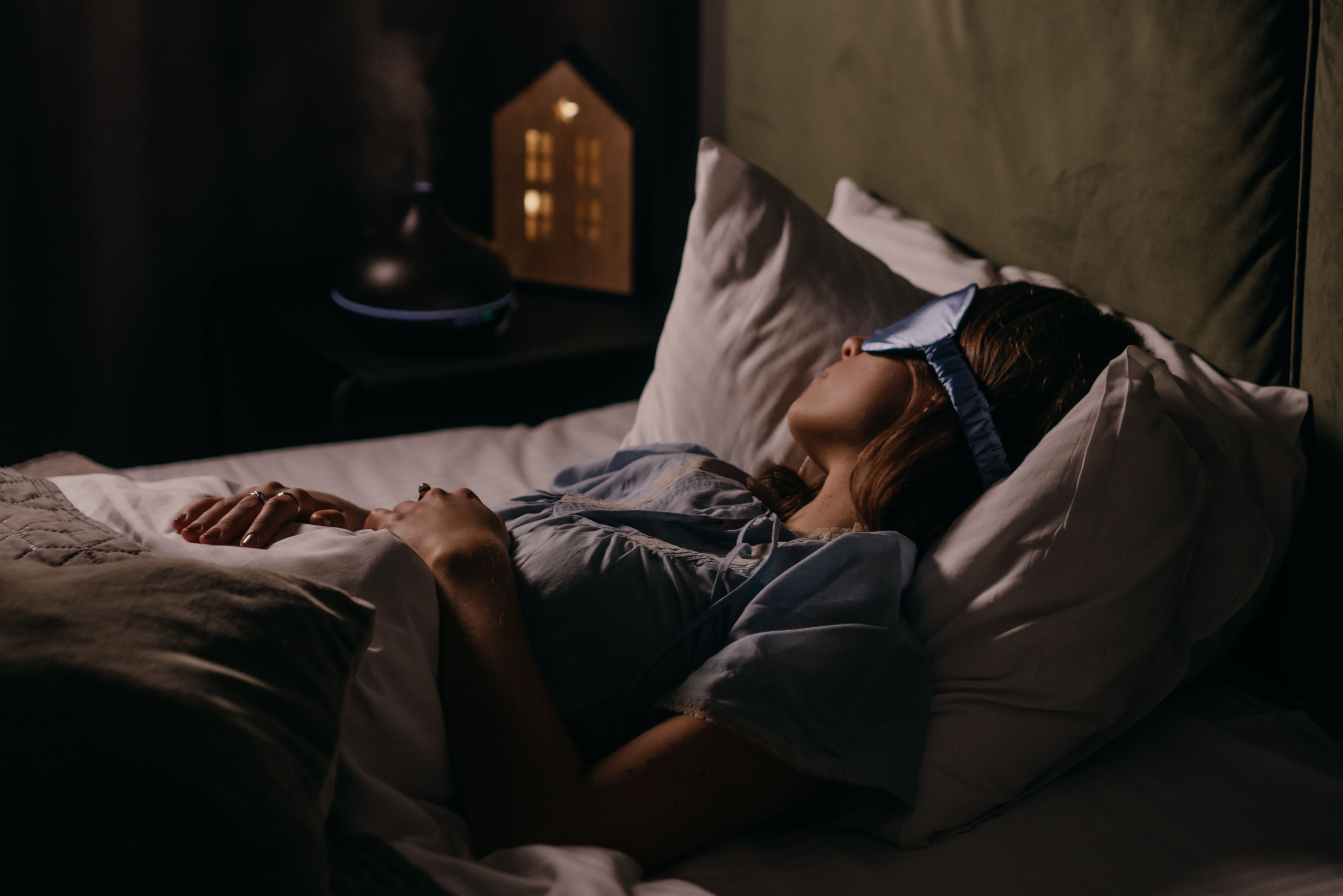
Make sure your bedroom is dark, cool and quiet. If the room cannot be all of these things, make it as close as possible e.g. eye mask and ear plugs.
Keep bedtimes and wake times as regular as possible.
All three pillars of nutrition, sleep and physical activity are strongly linked and feed off each other.
If your physical activity increases, your ability to get to sleep and the actual quality of sleep improves.
If your nutrition is good through the day you see less flat period of tiredness during the day and your digestion will not impact the quality of your sleep
Read: Pillar 1 ‘Sleep’ of Your Defence System
Physical Activity
Physical activity improves mood, strength, bone health, mental health, function, cognition and overall quality of life. Regular and adequate levels of physical activity are known to reduce pain, fatigue, and reduce your risk of depression, stroke, diabetes and cardiovascular disease. (Source: Geneen et al 2017, Henschke 2010, WHO 2020)
A lack of physical activity has been identified as the fourth leading risk factor for global mortality (6% of deaths globally). Inactivity is estimated to be the main cause for approximately 21–25% of breast and colon cancers, 27% of diabetes and approximately 30% of ischemic heart disease. (Source: World Health Organisation)
The Australian Guidelines from the Department of Health are:
Be active on most, preferably all days, every week.
Accumulate 150 to 300 minutes (2 1/2 to 5 hours) of moderate intensity physical activity (takes some effort but you are still able to talk in full sentences whilst doing it) or 75 to 150 minutes (1 1/4 to 2 1/2 hours) of vigorous intensity physical activity (requires more effort and makes you breathe harder and faster), or an equivalent combination of both moderate and vigorous activities, each week.
Do muscle strengthening activities on at least 2 days each week.
The type of physical activity you do is not as important as how often you just get moving. A good way to look at it is 30 minutes per day, 7 days per week with some variety in the type of activity you are doing e.g. movement that increases your heart rate, requires strength, flexibility.
Read: Pillar 2 ‘Physical Activity’ of Your Defence System
For the greatest chance of success and to form good habits, start with a plan for your next week. Try using the Physical Activity Planner
HAVE A PLAN | COMMIT TO THE PLAN | KEEP PLANNING FOR THE WEEKS AHEAD
Nutrition
Nutrition plays a huge role on our ability to think and feel well. When we eat good quality food our energy levels are maintained, we think clearer, we concentrate better, and we can focus for longer. We are more rational in our decision making, we are warmer in our relationships and we collaborate better. Nutrition is a complex field. Unfortunately, this leads to fads and advocates vocally espousing their way as the only way. If it was as simple as one diet that is perfect for everybody’s food preferences, habits and nutritional needs — it would have been discovered, and we’d all have no reason to think about eating. But taste, variety, enjoying ourselves and our habits associated with these all play a part and therefore there is no one perfect diet. What we do know is understanding basic nutrition, doing these basics well and paying attention to how your body responds to what you eat is the way to better nutrition.
Read: Pillar 3 ‘Nutrition’ of Your Defence System
Complete: Fatigue and Sleep Management for Emergency Services
Next: Part 5 - Relaxation