Better Sleep Part 2: Maintaining the Balance
Many first responders and their families enjoy the flexibility and variety that shift work can offer. However, shift work can bring with it a particular set of challenges relating to general wellbeing such as sleep quality, social connectedness and nutrition to name a few.
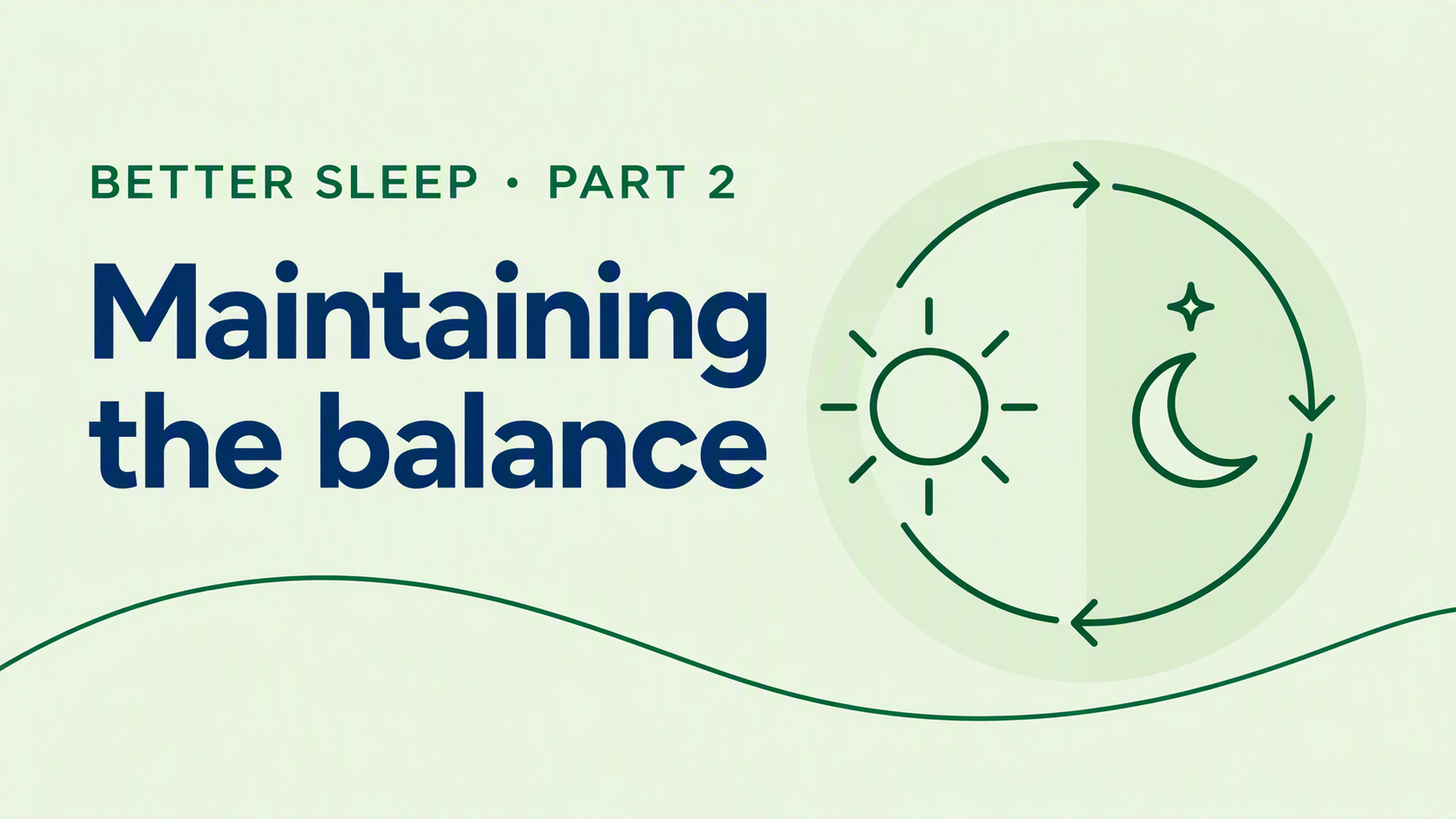
Humans are programmed to be awake during the day and asleep at night. This is cued by exposure to light and dark and is called the circadian rhythm. Over a 24 hour cycle; heart rate, blood pressure and body temperature all rise during the day in preparation for being active and at night they all decrease in preparation for slowing down, sleeping and recovering.
A person working night shift, which causes disruption to the circadian rhythm, is at greater risk of various disorders, accidents and misfortunes, including:
A fatigued person is more likely to make mistakes leading to a higher risk of motor vehicle accidents and work related errors.
Staying awake for 24 hours slows the reaction and hand/eye coordination similar to a Blood Alcohol Content (BAC) 0.1. Staying awake for 17 hours is equivalent to a BAC of .05.
An increased likelihood of obesity, cardiovascular disease and gastrointestinal problems.
Shift workers with diabetes may experience difficulties in controlling bloods sugar levels.
A probable increased risk of cancer, especially breast cancer
Increased risk of family problems including divorce
Higher risk of mood changes
However, despite the wellbeing challenges, with a bit of planning and an optimistic approach towards your health and with the support of your family and friends, you can take control and ensure you limit the effects of shift work on your wellbeing and your relationships.
Watch: 6 tips for better sleep

What can you do?
There are many strategies that can be adopted to help cope with the demands of shift work. Here are a few things to consider:
The Bedroom
Keep the room well ventilated and on the cool side. Ideally a temperature of between 15-18 degrees.
A good quality mattress is a very important investment, about 1/3 of our life is in bed, so make it comfortable!
The bedroom should be stress and clutter free, used only for the 2 S’s - sleep and sex. So take out the papers, TV, electronics etc. and make it a sleep haven.
Aim for 7-8 hours of healthy sleep and if that is not achievable look to make it up with 15-20 minute powernaps where possible.
Make the sleeping space cool, dark, quiet and comfortable. Invest in heavy carpets and curtains, maybe even black out shades. As an alternative an eye mask to block out light and ear plugs/gentle music/a fan to reduce noise are other options.
White noise apps are available to play calming sounds to fall asleep to.
Read: Good habits for quality sleep
Lifestyle
Try to maintain a routine of healthy eating and exercise through the shift roster. It’s good for the body and for the mind and planning for both is the key.
At the beginning of the week make a large balanced meal such as a stir fry or pasta bake and divide into single portions for easy re-heating. Eat for Health have some great healthy meal and snack ideas. Go one step further and pre-cut and package healthy snacks to grab and go.
Treat exercise like an appointment - schedule in the time around your other commitments. Make a routine that works for you.
A practiced bedtime routine cues the body and brain for sleep (clear the head, read a book, have a shower). Find a routine that works for you or as a family member or friend support them in establishing that winning regime!
Avoid caffeine, alcohol and nicotine in the hours prior to bedtime. Give herbal tea or warm milk a try as a substitute.
Unplug and wind down - our phones, tablets, laptops and smart watches (you name it!) have changed our lives beyond comprehension. When you’re not on shift and winding down, the presence of technology (such as phone notifications) can interrupt your sleep schedule, so it’s important where possible to ‘unplug’.
Seek help early if you are unwell. If there are concerns that you have for your loved one encourage them to get help early.
Watch: Alcohol & Sleep: The Wonder of Sleep Series
Watch: How caffeine and alcohol affect your sleep
Family and Friends
Sleep time needs to be sacred. Family and friends can assist in maximising the chances of uninterrupted sleep. Try and ‘roster off’ lawn mowing, vacuuming and loud games to a shift friendly time.
Have clear ‘sleep’ rules for children e.g. don’t go into the bedroom unless it’s an emergency (specify what’s an emergency … “I’m hungry” or “I’m bored” doesn’t count!)
A shift plan can be a helpful family tool. Block out sleep times but also highlight family activities to ensure an ongoing balance.
Look at using rest days for knocking of the chore list which can help free up more time with family and/or friends.
Stay connected, share the roster with friends and plan regular catch ups
References: https://www.sleepfoundation.org/
Next: Part 3 - Common sleep problems