Better Sleep Part 3: Common Sleep Problems
A 2016 Sleep Health Foundation survey of Australian adults found:
Medical sleep conditions are very common, with diagnosed sleep apnea affecting 8%, significant insomnia 20% and restless legs 18% of adults.
Frequent, loud snoring is reported by 24% of men and 17% of women. Frequent, loud snoring and breathing pauses in sleep are more often seen in middle age. Among those with frequent, loud snoring, 70% report daytime impairment or other sleep-related symptoms.
Among the 19% of people with frequent loud snoring and/or witnessed breathing pauses but no prior diagnosis of Obstructive Sleep Apnea (OSA) on a sleep study, 63% report awakening unrefreshed, and 65% report one or more daytime sleep-related symptoms, suggesting undiagnosed sleep apnea is relatively common in the community.
A quarter of all adults (26%), both use the internet most or every night of the week just before bed and have frequent sleep difficulties or daytime impairments. Similarly, 16% of all working adults do work just before bed and also have frequent sleep difficulties or daytime sleep-related symptoms.
Nearly a quarter (23%) report their typical weekday routine of work or home duties does not allow them to get enough sleep.
Driving while drowsy at least every month is reported by 29% of people, 20% have nodded off while driving and 5% have had an accident in the past year because they dozed off.
In Part 2 we looked at lifestyle and home life modifications to maintain the balance - in this section we'll look at common sleep problems that may require additional support and/or potential treatment.
Insomnia
Insomnia as a sleep disorder in which people are unable to fall asleep or stay asleep and it affects most Australians at some point in their lives, with about 1 in 10 people having at least mild insomnia at any given time. Insomnia can include:
difficulty getting to sleep
waking up during the night and having trouble going back to sleep
waking up too early, or
Sometimes people experience all three. (Reference: HealthDirect)
Short-term insomnia is typically caused by such things as stressful life events, jet lag, changes in sleeping environments, some acute medical illnesses and stimulant medications. Normal sleeping habits return once the acute event is over.
If a person has experienced sleeping difficulties for a month or more, this is called persistent or chronic insomnia. There are many causes of persistent insomnia. These include:
Primary sleep disorders – include circadian rhythm disorders, central sleep apnea-insomnia syndrome, inadequate sleep syndromes and periodic limb movement or restless legs syndromes.
Secondary insomnia – due to a range of medical and psychiatric problems and the chronic use of drugs and alcohol
Idiopathic insomnia – sleeplessness without a known cause, formerly called childhood onset insomnia.
People who suffer from insomnia are normally frustrated or annoyed by it which in turn contributes to keeping them awake. Watch this 5min video from TED-ed about what causes insomnia.
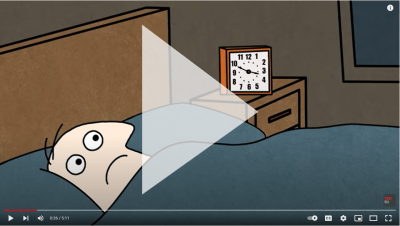
Sometimes there is no clear reason why a person has insomnia, however this does not make the condition any less frustrating or serious.
If changing up your routine doesn’t help your insomnia and the problem is persistent, talk to your GP who may refer you to a sleep specialist.
Support Options:
Wellbeing Support Officers - Phone - 6173 2873
Critical Incident Stress Management (CISM) - Phone - 0427 181 207
Read: Sleep Mistakes | Sleep Health Foundation
Read: Caffeine, Food, Alcohol, Smoking and Sleep | Sleep Health Foundation
Snoring
Snoring happens when parts of the throat vibrate while you are sleeping. It indicates that something is interfering with breathing. While snoring is common, and often frustrating for the household, it can be a sign of a more serious health problem.
Why do I snore?
There are many reasons why people snore. These include:
drinking alcohol
smoking
being overweight or obese
a cold, sinus or allergy problems
sleeping on your back
breathing through the mouth
being born with a smaller airway than normal
medicines
pregnancy
If you snore and are often sleepy during the day, you may have obstructive sleep apnea. Obstructive sleep apnea happens when breathing is either stopped or reduced during sleep because of a narrowing or blockage of the upper airway. It causes loud snoring and occasional apnea (stopping breathing). Obstructive sleep apnea is a serious health problem that needs attention.
Getting treatment
You should talk to your doctor if your snoring is irritating you and your household, or you wake up gasping or choking. In some cases, they may recommend an overnight sleep study to check for causes.
How can I stop?
There are many different things you can try to stop storing. Avoiding alcohol close to bedtime, sleeping on your side, treating allergies, losing weight and increasing exercise can help. Nasal strips or other devices that help keep your mouth closed or your tongue positioned properly while you’re asleep may help. In specific cases, surgery may be required.
If your snoring is caused by sleep apnea, you may need a device that blows air into your nose or mouth while you’re sleeping. Continuous positive airway pressure (CPAP) is the most effective treatment for obstructive sleep apnea. It involves a pump connected to a mask that you wear at night to keep your airways open. There are different masks that can cover your nose, mouth, or nose and mouth. (Reference: How to stop snoring)
Obstructive Sleep Apnea (OSA)
Obstructive sleep apnea is a serious health problem that needs attention. Apart from making you tired, it can reduce your concentration and increase your risk of health problems including high blood pressure, diabetes, stroke and heart attack. It can also lead to motor accidents because drivers fall asleep.
Sleep apnea, or obstructive sleep apnea, happens when a person’s throat is partly or completely blocked while they are asleep, causing them to stop breathing.
Their breathing can stop for anywhere between a few and 90 seconds, and they wake briefly. These episodes, which can happen many times a night, are known as apnea’s. The sufferer is often unaware of it happening but will wake feeling tired.
Sleep apnea ranges from mild to severe. In severe cases, sleep can be interrupted hundreds of times each night.
Sleep apnea can affect anyone but is more common in people who are middle aged or older, who snore, who are above a healthy weight and who have sleep apnea in the family. (Reference: Health Direct)
Getting treatment
If these symptoms sound familiar or you wake up gasping or choking, you should consult your doctor who may recommend an overnight sleep study.
Stress, Anxiety & Trauma
Emergency service work, by its very nature, can expose you to incidents not normally experienced by the general public. These may be critical incidents in the sense that exposure to scenes, situations and events could potentially lead to critical incident stress. Up to 87% of emergency service personnel are affected by critical incident stress which refers to strong emotional and/or physical reactions to abnormal events.
The Beyond Blue, National Mental Health and Wellbeing Study of Police and Emergency Services Answering the call (2018) survey of over 21,000 employees indicated that over half (51%) of employees had experienced traumatic events that deeply affected them during the course of their work and that even the most resilient police and emergency services personnel can be affected by stress and trauma related to their work, as well as other life challenges.
Support Options:
Wellbeing Support Officers - Phone - 6173 2873
Peer Support Officers (Ambulance Tasmania) - Phone - 6166 1994
Critical Incident Stress Management (CISM) - Phone - 0427 181 207
Watch: How to deal with insomnia and finally get to sleep
Read: Stress, Trauma & You - Part 2 When stress gets stuck
Read: Stress, Trauma & You - Part 3 Stress, burnout and trauma
Read: Anxiety & Sleep